
Picture this: It's 6 PM. You're exhausted. The eternal question looms – "What's for dinner?" For years, many of us fell back on predictable, meat-heavy options. We thought vegetarian dinners meant bland tofu or side dishes masquerading as main courses. We worried we wouldn't be satisfied, that we'd be missing essential nutrients, or that it would just take too long.
This is where the struggle is real. You want to eat healthier. Maybe you're trying Meatless Mondays, transitioning to a plant-based diet, or just need to get more veggies on the table. But the reality is often less "glowing-with-health-and-energy" and more "staring-blankly-at-a-bag-of-lentils-feeling-overwhelmed."
Here’s the promise: That struggle ends today. This isn't just another collection of recipes; this is your ultimate roadmap to vibrant, flavorful, and incredibly easy vegetarian dinners that you'll genuinely look forward to eating. We're busting the myth of boring plant-based meals with incredible flavors and simple techniques. Welcome to a better way to do dinner.
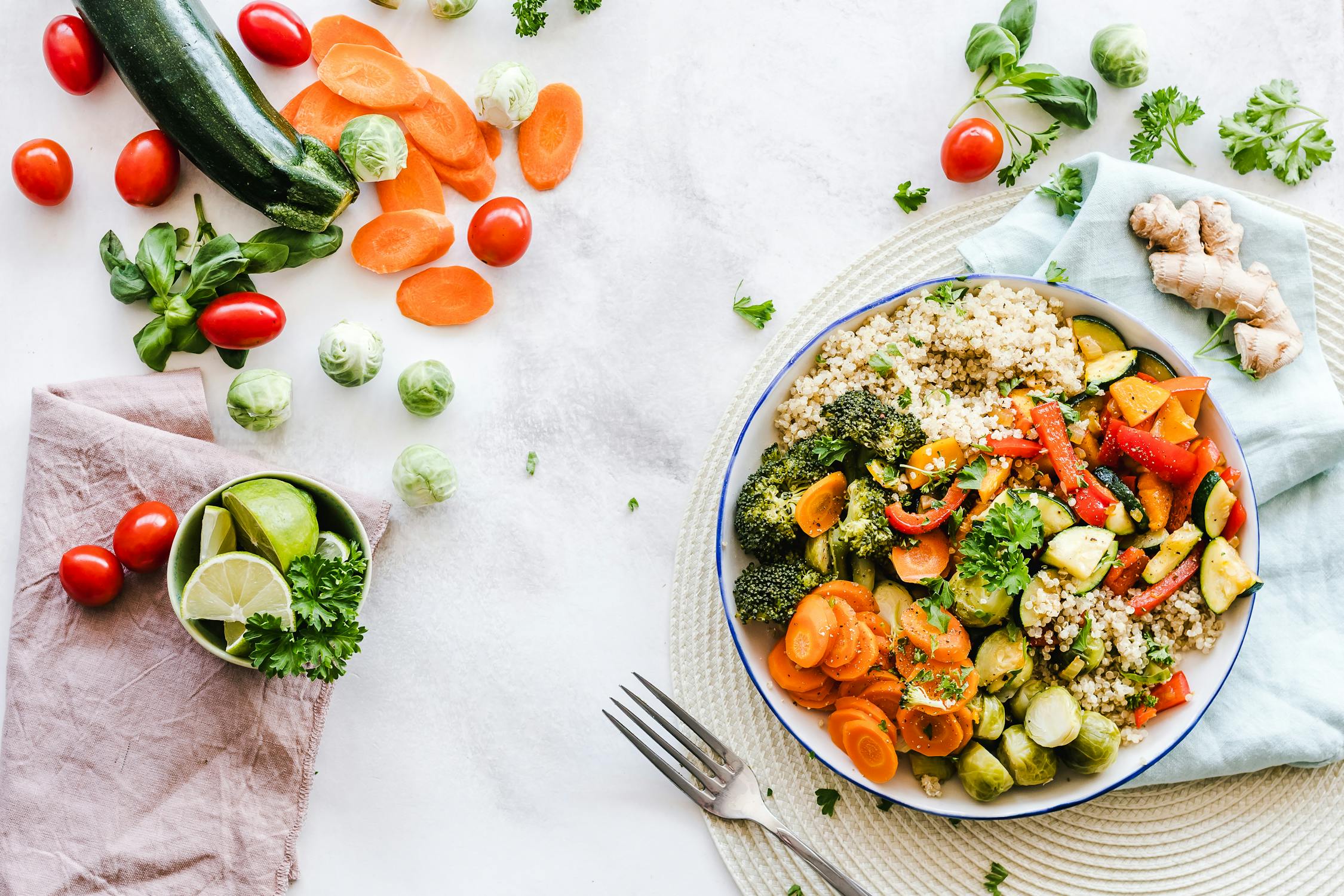
Why Choose Vegetarian Dinner Recipes? It’s Not Just About Hype
Okay, let's address the elephant in the room. There's a lot of noise out there about plant-based eating. It's easy to dismiss it as a trend, but the benefits of incorporating more vegetarian dinners are deeply rooted in reality.
The Health Benefits of Plant-Based Dinners
Let's talk about fueling your body. Many vegetarian whole foods are packed with things you *want* more of:
- Fiber: The unsung hero of digestive health, keeping you feeling full and your system happy. Think beans, lentils, and whole grains.
- Antioxidants: Those colorful compounds in fruits and veggies that fight cellular damage. More color generally means more nutritional power.
- Vitamins & Minerals: A varied plant-based diet can easily provide all the essential nutrients your body needs, often with fewer calories.
- Potential for Lower Risk: Numerous studies have shown that plant-based eating patterns can lower the risk of chronic issues like heart disease, type 2 diabetes, and certain types of cancer.
Environmental and Ethical Impacts
For many, the motivation goes beyond the plate. Reducing meat consumption can have a significantly lower environmental footprint. Plant-based food production generally requires less water, land, and creates fewer greenhouse gas emissions compared to animal agriculture.
The Sheer Deliciousness (and Ease!) Factors
This is my favorite part. Vegetarian food is *not* restrictive; it's an explosion of possibility! We're talking about vibrant spices, rich textures, and incredibly versatile ingredients. And "easy"? Forget complicated. We’ll show you recipes that come together quickly, without demanding chef-level skills or exotic ingredients.
div style="margin: 30px 0; padding: 20px; border: 2px dashed #4CAF50; border-radius: 10px; background-color: #f9f9f9; font-family: Arial, sans-serif;">🎁 Exclusive Resource for You!
Essential Ingredients for Your Easy Vegetarian Pantry
Before we get to the recipes, let's talk about your culinary starting line. Having the right tools makes any job easier, and a well-stocked pantry is your first line of defense against the "nothing-to-eat" blues.
Protein Powerhouses: Beyond Tofu and Beans
This is the biggest concern beginners have. "Where do you get your protein?" The answer is: Everywhere!
- Beans & Lentils: The absolute workhorses. Black beans, chickpeas (garbanzo beans), red lentils, green lentils... stock up on both dried (cheaper) and canned (faster) options.
- Tofu & Tempeh: Don't fear the bean curd. Tofu (especially firm and extra-firm) is a flavor chameleon. Tempeh has a firmer texture and a slightly nutty, fermented taste.
- Quinoa: A complete protein containing all essential amino acids, quinoa cooks quickly and has a delightful fluffy texture.
- Nuts & Seeds: Almonds, walnuts, cashews, chia seeds, flax seeds – perfect for adding crunch, creaminess, and a nutrient boost.
- Dairy (if applicable): If you're lacto-vegetarian, Greek yogurt, cottage cheese, and cheese (more on that later) are great options.
The Flavor Foundation: Herbs, Spices, and Aromatics
This is where the magic happens. Without flavor, *anything* can be boring. Don't be shy with these:
- The Essentials: Good salt, black pepper, garlic powder, onion powder.
- The Ground Spices: Cumin, smoked paprika, chili powder, turmeric, oregano, basil. Get a curry powder blend, too!
- Fresh Aromatics: Keep onions, garlic, and ginger on hand. They elevate almost every savory dish.
- Acidity is Key: Lemons and limes provide instant brightness. Vinegars (apple cider, balsamic, rice wine) add depth and complexity.
- Sauces & Pastes: Soy sauce (or tamari), hot sauce (your favorite brand!), tomato paste, miso paste (adds amazing savory umami), tahini (creamy sesame goodness).
Quick-Cooking Grains and Basics
These fill the plate and keep you satisfied:
- Whole Grains: Quinoa, brown rice, whole wheat pasta, oats (for savory dishes too!), farro.
- Canned Goods: Diced tomatoes, coconut milk (full-fat for creaminess!), and as mentioned, lots of beans.
- Oils: Olive oil for everyday cooking/dressings, and a neutral oil (like avocado or sunflower) for higher-heat cooking.

10 Quick Weeknight Vegetarian Dinner Recipes (Under 30 Minutes!)
Okay, let's get into the practical, real-world solutions. These recipes are specifically designed for those days when energy is low, time is short, but the need for something healthy is high. We’re focusing on simple steps, minimal ingredients, and maximum flavor.
1. 15-Minute Chickpea & Spinach Curry
This is a superstar recipe. It's rich, comforting, and unbelievably fast.
- The Concept: Sauteed onions/garlic, a quick curry powder paste, canned chickpeas, coconut milk, and fresh spinach. Simmer for just a few minutes until the spinach wilts and the flavors meld.
- Practical Tip: Use pre-washed baby spinach and a decent curry powder blend to save time. This is fantastic with quick-cooking quinoa or leftover brown rice.
2. Speedy Sheet Pan Fajitas
Minimum effort, maximum flavor, minimal cleanup. That's the sheet pan promise.
- The Concept: Slice up bell peppers (any color!), onions, and your choice of protein (portobello mushrooms are classic, or pre-pressed tofu cubes). Toss them on a large baking sheet with oil and fajita seasoning (chili powder, cumin, paprika, garlic powder, salt, pepper). Bake until veggies are tender and slightly charred.
- Practical Tip: Serve with warm tortillas, avocado slices, and a squeeze of fresh lime. You can prep the veggies the night before.
3. Zesty Lemon & Garlic Quinoa Salad
Perfect for warm nights or when you need something light yet filling.
- The Concept: Start with cooked quinoa (use pre-cooked for even faster results). Stir in chopped cucumber, cherry tomatoes, red onion, and perhaps some chopped parsley or mint. Drizzle generously with a simple dressing of lemon juice, olive oil, minced garlic, salt, and pepper.
- Practical Tip: Cook extra quinoa on Sunday and store it in the fridge – this salad comes together in literally 5 minutes when you have the base ready.
4. Black Bean & Sweet Potato Quesadillas
A guaranteed crowd-pleaser that cleverly hides nutritious sweet potato.
- The Concept: In a bowl, mash cooked sweet potato (can be steamed, baked, or microwaved quickly) with canned black beans, a little cumin, and chili powder. Spread this mixture onto a tortilla, sprinkle with some cheese (if using) or a vegan alternative, fold in half, and cook in a dry skillet until the tortilla is crispy and the filling is hot.
- Practical Tip: Microwaving the sweet potato first makes this super speedy. Leftovers pack great for lunch.
5. Fast Fried Rice with Edamame
Fried rice is the ultimate "use what's in the fridge" meal, and this version packs a serious protein punch.
- The Concept: Heat some oil in a large skillet or wok. Saute mixed frozen veggies (corn, peas, carrots) and pre-cooked, shelled edamame. Push them to the side and scramble an egg (if using), or just skip to the next step. Add cold, cooked rice (crucial for good texture!) and your sauce – a simple mix of soy sauce, a splash of sesame oil, and maybe some sriracha.
- Practical Tip: Using leftover, cold rice is the secret. If you don't have leftover rice, cook some quinoa or brown rice earlier in the day and let it cool completely.
6. 20-Minute Spicy White Bean & Kale Soup
Warm, comforting, and done before you know it.
- The Concept: Sauté garlic and red pepper flakes (if you like heat) in a pot. Add canned white beans (cannellini or Great Northern), vegetable broth, and some chopped kale. Simmer until the kale is tender and the beans are heated through. Mash some of the beans for a slightly creamier texture.
- Practical Tip: Canned beans make this incredible. Serve with a slice of crusty bread for a full meal.
7. One-Pot Tomato & Basil Pasta
Pasta cooked *in* the sauce? Yes, it’s a game-changer.
- The Concept: In a large pot or deep skillet, combine dried pasta, a can of diced tomatoes (undrained), veggie broth (or water), some chopped garlic, a splash of olive oil, and some salt/pepper. Bring to a boil, then reduce heat and simmer, stirring occasionally, until the pasta is cooked through and most of the liquid is absorbed. Stir in fresh basil at the end.
- Practical Tip: Watch the liquid levels as the pasta cooks and add a splash more broth or water if it seems too dry before the pasta is done.
8. Quick Lentil Bolognese
Hearty, rich, and so satisfying you won't believe it's entirely plant-based.
- The Concept: Sauté finely chopped onion and garlic. Add canned red or green lentils (ensure they're the kind that cook relatively fast, or use canned, rinsed lentils to be super speedy) and your favorite tomato sauce. Simmer for just long enough to heat the lentils through and let the flavors meld. Serve over pasta or spaghetti squash.
- Practical Tip: For extra richness, add a tablespoon of miso paste or nutritional yeast. Red lentils will break down more, creating a smoother sauce, while brown/green lentils will hold their shape better.
9. Speedy Greek Chickpea Wraps
Fresh, flavorful, and requires minimal actual "cooking."
- The Concept: Toss canned chickpeas with lemon juice, a little oregano, salt, pepper, and a dash of garlic powder. Assemble your wrap: Spread some hummus on a large tortilla or pita, layer with the chickpea mixture, chopped cucumber, tomatoes, and maybe some feta (or dairy-free feta) and red onion.
- Practical Tip: Store-bought hummus is your best friend here. This is a perfect meal-prep lunch or light dinner.
10. Smoky White Bean & Avocado Toast (Dinner Edition!)
Don't underestimate the power of elevated toast. This is surprisingly filling.
- The Concept: Toast a slice or two of your favorite hearty, whole-grain bread. In a small bowl, mash canned white beans with a drizzle of olive oil, a pinch of smoked paprika, salt, and pepper. Top the toast with the mashed beans and a few generous slices of avocado. Drizzle with a little more olive oil or a squeeze of lemon.
- Practical Tip: This is incredibly customizable. Add a soft-boiled egg (if applicable), some fresh herbs, or red pepper flakes for an extra kick.

Healthy and Balanced Vegetarian Dinners: Smart Strategies
Eating vegetarian doesn't automatically guarantee it's "healthy" (french fries are technically vegetarian!). The key, just like with any diet, is balance. Let’s focus on nutrient density and satisfaction.
Building the Perfect Balanced Bowl
A fantastic mental model for a healthy vegetarian dinner is the "Buddha Bowl." It's not about complex recipes; it's about a simple formula that ensures you're hitting all your nutritional bases.
- Start with a Whole Grain Base: Think brown rice, quinoa, farro, or even just a handful of greens. (This is about 1/4 of your meal).
- Add a Generous Serving of Protein: This is your fuel! Beans, lentils, tofu, tempeh, edamame, or nuts/seeds. (Also about 1/4 of your meal).
- Load Up on Colorful Veggies: This is where the magic (and nutrients!) are. Roast some, steam some, include fresh ones – get at least two or three different types on there. (This should be at least 1/2 of your plate).
- Include a Source of Healthy Fat: This is crucial for satiety (feeling full) and nutrient absorption. Avocado, nuts, seeds, or an oil-based dressing.
- The Flavor Finisher (Sauce!): This ties it all together. Hummus, tahini dressing, a simple vinaigrette, peanut sauce... a good sauce makes everything better.
Focusing on Fiber: Your Secret Weapon for Fullness
One of the single most important factors in feeling truly satisfied after a meal is fiber. Plants are the primary source of fiber, so lean into them! High-fiber foods slow down digestion, keeping you feeling full longer and helping stabilize your blood sugar.
- Swap white rice for brown rice or quinoa.
- Incorporate beans or lentils into as many meals as possible. They are fiber *and* protein powerhouses.
- Don't peel fruits and vegetables unnecessarily (like apples, cucumbers, potatoes) where the skin is often the most fibrous part.
Healthy Swaps that Feel Luxurious
Eating healthy isn't about deprivation. It's about smart choices that still *taste* amazing.
- Swap Cream for Cauliflower: Blend steamed cauliflower with a little liquid for an unbelievably creamy, low-calorie sauce. (Wait, let's keep it simple for now, but it's a great tip!)
- Swap Refined Pasta for Whole Wheat or Bean-Based Pasta: You get significantly more fiber and protein with these simple swaps.
- Swap Store-Bought Dressings for Simple Vinaigrettes: You’ll eliminate added sugars and less-healthy oils. All you need is oil, vinegar, salt, and pepper.
Easy, Comforting vegetarian recipes for Cozier Nights
Sometimes you need more than a quick stir-fry. These recipes are perfect for weekends, rainy evenings, or anytime you want that hug-in-a-bowl feeling.
Hearty Lentil Shepherd's Pie
Classic comfort, plant-powered. This is fantastic for a family meal or when you have time for a slightly more involved (but still simple) dinner.
- The Concept: Create a savory base of sautéed veggies (onions, carrots, celery) and cooked brown or green lentils, seasoned with soy sauce and herbs (like thyme). This savory lentil mixture replaces the traditional ground meat. Top with creamy mashed potatoes (you can use olive oil instead of butter) and bake until golden.
- Practical Tip: For extra flavor in the filling, use some umami-rich ingredients like miso paste, tomato paste, or nutritional yeast. This freezes well!
Creamy Tomato & Roasted Red Pepper Soup with Basil
Elevating the classic tomato soup into something truly special and incredibly easy.
- The Concept: Roast a jar of canned, roasted red peppers with some whole garlic cloves. Simmer the roasted veggies with canned tomatoes and veggie broth. For the creaminess? Blend in a splash of coconut milk, some heavy cream (if applicable), or even some cashew cream. Season well and add plenty of fresh basil at the end.
- Practical Tip: A jar of roasted red peppers is a huge time-saver. Serve this with a grilled cheese sandwich for the ultimate comfort meal.
Vibrant Sweet Potato & Chickpea Korma
Indulge in rich, creamy Indian-inspired flavors that are surprisingly straightforward.
- The Concept: This is similar to our 15-minute curry but elevates it. Saute spices (curry powder, turmeric, maybe a little cardamom) with onions and garlic. Add cubed sweet potatoes and chickpeas. For the creamy korma-style sauce, blend together some full-fat coconut milk with a handful of cashews (soaked first if you have time, but not strictly necessary with a good blender) and pour it in. Simmer until the sweet potato is tender.
- Practical Tip: If you don't have a high-speed blender, use a nut butter like cashew or almond butter instead of blending whole nuts.
Mushroom & Thyme Risotto (Made Simple!)
Risotto has a reputation for being fussy, but with the right type of rice (arborio) and a little patience, it’s not hard – and the result is pure luxury.
- The Concept: Sauté plenty of sliced mushrooms with garlic and fresh thyme until they release their liquid and get some color. In another pot, slowly add warm veggie broth to arborio rice, stirring *frequently* (but not constantly!) until the rice is creamy but still has a slight bite (al dente). Stir the mushrooms into the finished risotto.
- Practical Tip: Yes, you do have to stir, but it's not the relentless chore people say. Just keep an eye on it and add broth by the ladle-full. The results are worth it.

Meal Prep Made Simple for Easier vegetarian Dinners
The single greatest hack for getting healthy dinners on the table is meal prep. It doesn't mean spending your entire Sunday cooking; it means doing a few smart things to give your future self a break.
Prepping Components, Not Entire Meals
For most people, prepping individual components is far more flexible and less overwhelming than making full recipes. Here's what you can pre-cook or chop in about an hour on the weekend:
- Cook a Batch of Grains: Rice, quinoa, or farro. These are the perfect versatile base for almost any dinner.
- Chop the Veggies: Onions, peppers, broccoli, carrots. Store them in airtight containers. Dinner just became 10-15 minutes faster!
- Pre-Cook Protein: Roast some tofu cubes, make a batch of beans (if using dried), or hard-boil eggs.
- Whip Up a Big Batch of Sauce: A simple vinaigrette, tahini dressing, or peanut sauce goes a long way.
The Art of the Big-Batch Recipe
This is my personal favorite: Cook once, eat twice (or three times!). Certain recipes are *better* the next day as the flavors have time to meld.
- Think: Chilis, curries, stews, and lasagnas.
- The Strategy: When you make one of these, always double the recipe. Enjoy it for dinner, and then pack the leftovers for lunch or dinner later in the week. Many of these also freeze beautifully.
Smart Substitutions: Making Any recipe vegetarian
Don't let a recipe that calls for meat stop you! Most dishes can be easily adapted. It’s about understanding what function the meat is serving.
Protein Substitutes That Work (For Real)
- For Ground Meat (Tacos, Bolognese, etc.): The absolute best swaps are lentils (brown or green hold their shape well), crumbled firm tofu, or even finely chopped mushrooms for a more texture-focused swap.
- For Chicken (Stir-Fries, Salads, etc.): Cubed tofu, tempeh, or chickpeas are fantastic. They have a more substantial bite.
- For Steaks/Burgers: Portobello mushroom caps (the "original" veggie burger) or high-quality store-bought veggie burgers (look for those made with whole-food ingredients).
Finding the "Umami" – That Deep, Savory Flavor
This is often the missing element when people first try vegetarian cooking. Meat is naturally rich in umami (that Fifth Taste – deep, savory, delicious). You need to add it back in!
- Miso Paste: A Japanese pantry staple. A tablespoon adds an incredible depth of flavor to soups, stews, and sauces. (White miso is more mellow, red miso is stronger).
- Nutritional Yeast: A cheesy, nutty, savory powder (different from regular yeast!). Perfect in sauces or sprinkled on everything from popcorn to pasta.
- Soy Sauce or Tamari: Instant savory depth. Don't skip this.
- Tomato Paste: Especially when caramelized with onions and garlic, this adds rich umami.
- Mushrooms: Particularly dried mushrooms (like shiitake), but even regular mushrooms when cooked down properly.
Easy vegetarian Cooking: Tips for Beginners
Feeling inspired? Amazing! Here are a few final thoughts to keep in mind as you start this delicious journey.
Start Small and Be Kind to Yourself
Don't try to go from Meat Lover to Vegan-Chemist overnight. That's a recipe for burnout. Start with one or two meatless meals a week. Find recipes you genuinely love. This is a journey, not a race.
Don't Fear the Flavor (Seriously, Use Spices!)
This is worth repeating. If your food tastes bland, it’s not because it's vegetarian; it’s because it’s not seasoned properly. Use more garlic. Add more cumin. Be generous with the salt (within reason!). Squeeze on some fresh lime juice. Flavor is what makes this enjoyable.
Experiment and Have Fun!
The best recipes are often the ones you tweak. If a recipe calls for kale and you only have spinach, use it! If you love spicy food, add extra red pepper flakes. This is your food, your dinner, and your health. Cook what makes you feel good and excited to eat.
Looking for More easy Vegetarian Dinner Recipes?
This is just the tip of the plant-powered iceberg! The world of vegetarian cooking is vast and full of flavor. Check back often, as we'll be continuously adding more quick-weeknight ideas, slow-cooker gems, and vibrant, seasonal recipes. In the meantime, pick one recipe from above – just one! – and give it a try this week. Let us know how it goes in the comments!

🍳 Recommended Kitchen Tool
Easy Vegetarian Dinner FAQ
1. But Seriously, Where Do You Get Your Protein in a Vegetarian Dinner?
This is the classic question! As we’ve covered, you get it from multiple places: beans, lentils, tofu, tempeh, edamame, quinoa, nuts, and seeds. Even vegetables contain small amounts! If you eat a variety of plant-based whole foods throughout the day and hit your calorie needs, you will easily get enough protein. A single half-cup of cooked lentils has about 9 grams of protein, and a block of firm tofu can have over 40 grams. You’ve got this.
2. I'm Short on Time. What Are the Fastest Vegetarian Dinner Options?
The recipes in our "Under 30 Minutes" section are specifically designed for speed. Sheet pan meals, quick stir-fries (using pre-cooked grains/edamame), one-pot pastas, and elevated toasts/quesadillas are all incredible time-savers. Also, never underestimate the power of meal prep components on the weekend!
3. My Family Loves Meat. How Can I Get Them to Eat Vegetarian Dinners?
This is common! The trick isn't to announce "We're eating VEGETARIAN tonight," which can create instant resistance. Instead, focus on familiar favorites adapted slightly. Think: Lentil Bolognese over their favorite pasta, Black Bean and Sweet Potato Tacos with all the fixings, or a hearty, cheesy veggie lasagna. The key is making sure the meals are filling, familiar, and absolutely delicious.
4. Will I Be Hungry After a Vegetarian Dinner?
Absolutely not, as long as your meal is balanced! Satiety (feeling full and satisfied) comes from three main sources: Fiber (beans, lentils, whole grains), Healthy Fats (avocado, nuts, seeds, oil), and Protein. When you build your meals using this simple formula (like the Buddha Bowl model), you'll feel incredibly satisfied, without that post-heavy-meat "food coma" feeling.
5. Do I Need Special Ingredients to Cook Vegetarian Meals?
Not at all! 90% of a fantastic vegetarian pantry is made up of common whole foods found in any standard grocery store. The basics are: beans, lentils, pasta, rice, and tons of fresh veggies. There are a few "flavor boosters" (like soy sauce, miso paste, or maybe a curry powder blend) that can really help, but you don't need exotic items to cook simple, delicious, and healthy vegetarian dinners. Start with what you know!