
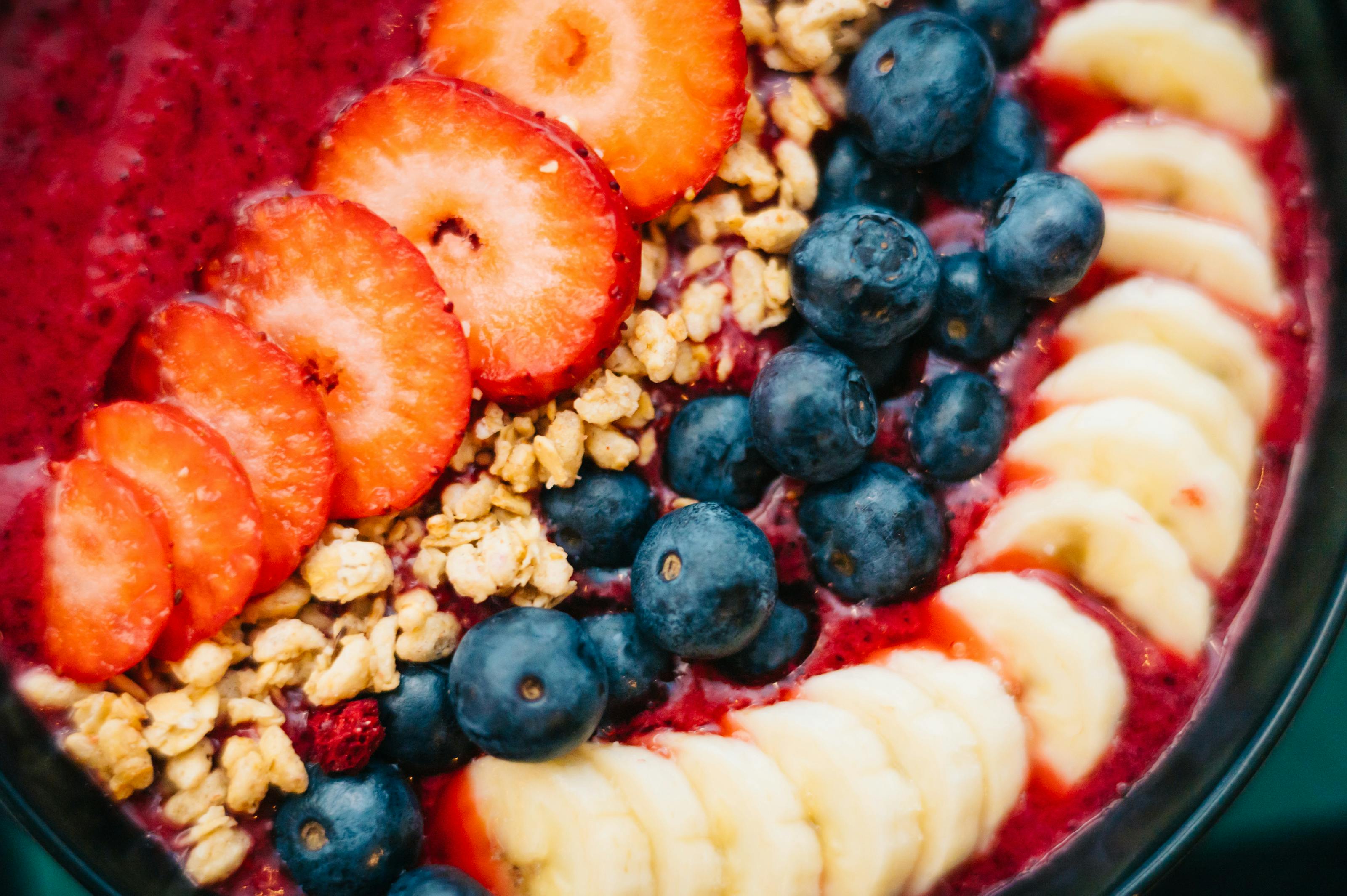
Additionally, when planning healthy vegan breakfast options for your children, nutritional balance is key. A well-rounded vegan kids breakfast should combine iron-rich, calcium-rich, fat-rich, and nutrient-rich foods. We've discovered that energy bites are not only nutritionally dense but also a fun way to get children involved in the kitchen. What makes these vegan breakfast ideas for kids even more appealing is that many recipes are completely free from dairy, eggs, gluten, and refined sugar, making them suitable for children with various dietary restrictions or preferences.
Key Takeaways
Expert pediatricians now recognize that well-planned vegan diets can effectively support children's brain development when key nutrients are prioritized and meals are thoughtfully prepared.
• Iron, omega-3s, and calcium are critical: Plant-based sources like lentils, chia seeds, and fortified plant milks provide essential nutrients for optimal brain development in growing children.
• Eight doctor-approved recipes deliver results: Chickpea flour omelets, tofu scrambles, and calcium-fortified smoothies offer practical, brain-boosting breakfast options kids will actually eat.
• Strategic meal planning ensures success: Batch cooking, creative presentation, and involving children in food preparation transforms nutritious vegan breakfasts into sustainable daily habits.
• Professional guidance remains essential: Consulting pediatric dietitians and regular healthcare monitoring ensures proper supplementation and confirms children meet standard growth references.
• Early nutrition creates lifelong impact: The critical window from fetal development through age two represents when proper plant-based nutrition can establish the foundation for optimal cognitive health.
When implemented correctly with medical oversight, vegan breakfast options provide children with complete nutrition while supporting memory, learning abilities, and overall brain function throughout their developmental years.
Pediatricians Link Vegan Diet to Brain Health
Leading pediatricians are increasingly acknowledging that well-planned plant-based diets can effectively support children's brain health and cognitive development. Recent scientific evidence has shifted medical perspectives on vegan nutrition for growing minds."These nutrients play a fundamental role in children's neuronal and neurocognitive development, which has critical periods of particular vulnerability in which exposure to malnutrition or deficiencies in environmental stimuli or both can produce a reduction in neural plasticity." — SIPPS-SIMP-FIMP-SIMA, Italian pediatric societies (SIPPS, SIMP, FIMP, SIMA) on neurodevelopment
Why pediatricians are endorsing plant-based meals
Pediatric specialists now recognize that properly designed vegan diets can provide essential nutrients needed for optimal brain development. Although a recent survey in Italy revealed that nearly 50% of parents were dissatisfied with their pediatricians' guidance on vegetarian and vegan diets, medical perspectives are evolving. Furthermore, 77% of parents reported facing resistance from pediatricians regarding alternative feeding methods.
This hesitation appears to be changing as new research emerges. Currently, many pediatricians understand that the primary concern isn't the diet itself but rather its implementation. As one expert notes, "The real issue is the diet's overall quality, not simply the presence or absence of animal products".
Physicians increasingly recognize that properly planned vegan meals can offer advantages over conventional diets high in processed foods, excessive sugars, and unhealthy fats that contribute to public health challenges.
Scientific studies supporting vegan diets for cognitive development
A comprehensive meta-analysis examining over 48,000 children and adolescents worldwide has provided compelling evidence that well-planned vegetarian and vegan diets can support normal development. This research, conducted by experts from Italy, USA, and Australia, found that children on plant-based diets demonstrated favorable cardiovascular health markers, including lower levels of total and LDL cholesterol.
While vegan children tended to be leaner with slightly lower BMI scores compared to omnivores, their growth generally remained within normal pediatric reference ranges. Researchers observed that vegetarian children consumed higher levels of fiber, iron, folate, vitamin C, and magnesium than their omnivorous peers.
Nevertheless, careful planning remains essential. Vitamin B12 supplementation is particularly critical since this nutrient doesn't naturally occur in unfortified plant foods. Similarly, calcium, vitamin D, iron, zinc, iodine, and omega-3 fats require special attention in vegan children's diets.
How early nutrition impacts brain growth
The period from late fetal development through the first 24 months of life represents a critical window for brain development. During this time, the brain undergoes remarkable growth, consuming approximately 60% of the body's total oxygen—far exceeding that of non-human species and adult humans.
This developmental stage is characterized by the formation of primary neural circuits supporting fundamental learning processes. The hippocampus and striatum, which support declarative and implicit learning respectively, develop rapidly alongside myelination that enhances processing speed.
Specific nutrients play crucial roles during this sensitive period. Iron contributes significantly to hippocampus development—the brain region responsible for learning and memory. Nearly one in ten American children under age three experiences iron deficiency, which may contribute to learning difficulties and attention deficit hyperactivity disorder.
Similarly, folate adequacy correlates with improved cognitive function, while zinc affects cognitive development by influencing memory and learning abilities. Other essential nutrients for brain growth include choline, iodine, protein, vitamins A, D, B6, B12, and omega-3 fatty acids.
Consequently, pediatricians now emphasize that with proper planning, education, and support, vegan diets can provide these critical nutrients and support healthy brain development in children.
Experts Recommend Key Nutrients for Brain Development
Nutritional experts emphasize that specific nutrients play vital roles in children's cognitive development. Research shows that careful attention to key nutrients can provide vegan children with everything needed for optimal brain function."Omega-3 fats are a type of healthy fat that is important for brain development." — Hamilton Health Sciences, Pediatric nutrition guidelines from major Canadian health sciences center
Iron-rich vegan foods for kids
Iron serves as a fundamental building block for brain development, directly impacting learning and memory through hippocampus development. Concerning statistics reveal nearly one in ten American children under age three experiences iron deficiency, potentially contributing to learning difficulties and attention deficit hyperactivity disorder.
For vegan children, abundant plant-based iron sources include:
- Legumes such as chickpeas, black-eyed peas, lentils, and beans
- Tofu, tempeh, and edamame
- Seeds including hemp, pumpkin, and sesame
- Leafy greens like spinach and kale
To maximize absorption of plant-based iron, pediatric nutritionists recommend pairing iron-rich foods with vitamin C sources such as citrus fruits, strawberries, bell peppers, or broccoli. This strategic pairing can double iron absorption, thereby supporting crucial cognitive functions.
Calcium and vitamin D in plant-based diets
From ages 1-3, children require approximately 700 mg of calcium daily, increasing to 1,000 mg for ages 4-8 and 1,300 mg for ages 9-18. Calcium remains essential for bone development and muscle function throughout childhood.
Excellent vegan calcium sources include:
- Calcium-fortified tofu (containing calcium sulfate)
- Fortified plant milks (providing up to 450 mg per cup)
- Dark leafy greens like kale, broccoli, and collard greens
- Beans, almonds, and tahini
Regarding vitamin D, most children require about 15 mcg (600 IU) daily. This nutrient helps the body absorb calcium effectively. Plant-based sources encompass fortified cereals, plant milks, mushrooms, and fortified orange juice. Moreover, brief sun exposure helps the body naturally produce vitamin D.
Omega-3 and healthy fats from seeds and nuts
Omega-3 fatty acids fundamentally support brain development and function, acting as building blocks for brain cells and neural connections. Research published in clinical journals indicates that adequate omega-3 intake correlates with better memory, attention span, and learning abilities.
Plant sources of omega-3 include:
- Ground flaxseed, chia seeds, and hemp seeds
- Walnuts and pumpkin seeds
- Canola and olive oils
Nutritionists often recommend incorporating these foods regularly since they provide alpha-linolenic acid (ALA), which the body converts to the essential DHA and EPA forms. Children on vegan diets require 0.7-1.6 grams of omega-3 fatty acids daily depending on age. Health experts suggest grinding flax and chia seeds to increase nutrient absorption.
Protein sources in vegan breakfast options
Protein is indispensable for muscle growth and a healthy immune system. Children ages 1-3 need approximately 13 grams daily, increasing to 19 grams for ages 4-8.
Nutritious vegan breakfast proteins include:
- Chickpea flour (for vegan omelets)
- Tofu scrambles
- Nut and seed butters (almond, peanut, sunflower)
- Fortified plant milks and yogurts
For instance, a simple chickpea flour omelet with vegetables offers complete protein and pairs excellently with whole grain toast. Alternatively, overnight oats with chia seeds deliver protein alongside essential omega-3s.
Dietitians highlight that a balanced vegan breakfast should combine iron-rich, calcium-rich, and protein-rich foods. As a result, kids maintain stable energy levels throughout the morning, supporting both physical activity and cognitive function.
Doctors Approve These 8 Vegan Recipes for Brain Health

Image Source: The New York Times
Pediatric nutrition specialists have identified specific vegan breakfast recipes that deliver optimal brain-boosting nutrients for growing children. These doctor-approved meals transform nutrition science into practical, delicious options for daily consumption.
Chickpea flour omelet with veggies
This protein-rich alternative to traditional egg omelets uses chickpea (garbanzo bean) flour as its base. The flour contains approximately 7 grams of protein per half cup, alongside substantial fiber, calcium, and iron. Mixing chickpea flour with water, turmeric, and paprika creates a batter that, when cooked, closely resembles eggs in texture. Adding vegetables like bell peppers, spinach, or cherry tomatoes boosts the nutritional profile further, providing essential vitamins for developing brains.
Peanut butter overnight oats with chia seeds
The perfect make-ahead breakfast combines old-fashioned oats, plant milk, chia seeds, and natural peanut butter following a simple formula: ½ cup dairy-free milk + ¾ tbsp chia seeds + ½ cup rolled oats. This combination delivers sustained energy through complex carbohydrates while chia seeds contribute omega-3 fatty acids essential for brain cell development. Preparing this the night before allows ingredients to meld, creating a creamy texture without cooking.
Tofu scramble with whole grain toast
Tofu scramble provides an excellent plant-based protein source that can be customized with various vegetables. For a brain-friendly version, crumble extra-firm tofu in a skillet with nutritional yeast, turmeric, and chopped vegetables like broccoli or bell peppers. This breakfast delivers protein alongside iron, supporting hippocampus development—crucial for learning and memory. Pairing with whole grain toast adds fiber that helps stabilize blood sugar levels throughout the morning.
Banana spinach muffins (vegan + gluten-free)
These vibrant green muffins cleverly incorporate three cups of spinach without any detectable taste, making them perfect for children reluctant to eat vegetables. Using almond flour, oat flour, and flaxseed meal creates a gluten-free base rich in healthy fats. The addition of overripe bananas provides natural sweetness and potassium, supporting optimal nerve function and brain development.
Sweet potato pancakes with flaxseed
These nutrient-dense pancakes replace traditional flour with cooked sweet potatoes, adding substantial vitamin A for vision and brain development. The recipe incorporates ground flaxseed, delivering alpha-linolenic acid that converts to essential omega-3 fatty acids in the body. Sweet potatoes also provide complex carbohydrates for sustained mental energy throughout the morning.
Calcium-fortified smoothie with berries and kale
One well-crafted smoothie can deliver an impressive 605mg of calcium—essential for nerve signal transmission in the brain. Combining kale, mixed berries, tahini, chia seeds, and calcium-fortified plant milk creates a complete nutritional package. The tahini adds creamy nuttiness while significantly boosting calcium content, whereas chia seeds contribute omega-3 fatty acids necessary for neural development.
Lentil breakfast hash with avocado
This protein-packed savory option uses pre-cooked lentils (either homemade or store-bought) as its base. Lentils provide plant-based protein alongside iron—crucial for oxygen transport to the brain. Topping with avocado adds healthy monounsaturated fats that support brain cell structure and function. This balanced breakfast combination delivers sustained energy through complex carbohydrates while supporting cognitive performance.
Homemade granola with pumpkin seeds and dried fruit
Creating customized granola allows precise control over ingredients and sugar content. A brain-boosting version combines rolled oats, pumpkin seeds, coconut flakes, and dried cranberries or raisins. Pumpkin seeds notably provide zinc—important for memory formation—alongside protein and healthy fats. Sweetening with maple syrup instead of refined sugar provides a gentler impact on blood glucose levels, supporting consistent mental energy.
How Can Parents Make Vegan Breakfasts Kid-Friendly?

Image Source: I'm The Chef Too
Transforming nutritious vegan breakfasts into meals kids actually want to eat requires understanding what motivates young eaters. Firstly, parents must recognize that children's tastes develop differently than adults'.
Tips for picky eaters and sensory-sensitive kids
Getting children excited about plant-based breakfasts begins with parental modeling. When parents genuinely enjoy the food, kids notice this enthusiasm. Offer new foods repeatedly—some children need multiple exposures before accepting unfamiliar items. For children with texture sensitivities, consider preparing vegetables differently; if they dislike raw broccoli, try it steamed or roasted with salt. Deconstructing meals allows children control over their plate, serving components separately with dipping sauces.
Creative presentation ideas for toddlers and teens
Visual appeal matters tremendously with young eaters:
- Incorporate your child's favorite color into meals through colorful ingredients or serving dishes
- Create playful arrangements (like "ants on a log") that make ordinary foods exciting
- Involve children in kitchen tasks appropriate for their age—counting ingredients, measuring, or setting timers
Batch cooking and freezer-friendly vegan meals
Busy mornings necessitate preparation. Make-ahead options like banana spinach muffins, freezer smoothie packs, and overnight oats simplify hectic mornings. Store individually wrapped breakfast burritos in the freezer for quick reheating. Pre-portion yogurt in small mason jars with jam at the bottom for grab-and-go options. Baked oatmeal cups can be frozen then microwaved when needed. Meal prepping on weekends ensures nutritious breakfasts remain accessible throughout busy weeks, making healthy choices easier for everyone.
What Do Pediatricians Advise for Long-Term Meal Planning?
Successful long-term adoption of vegan diets requires strategic planning and professional guidance. Pediatricians emphasize that consistency remains key for sustaining nutritional adequacy throughout childhood.
Weekly vegan breakfast planning for school days
Preparing ahead saves precious morning time plus ensures nutritional consistency. Pediatricians recommend developing weekly meal plans that incorporate batch cooking techniques. Consider preparing freezer-friendly breakfast burritos, overnight oats jars, or energy bites that can be made on weekends. Creating a menu rotation with 10-14 reliable vegan breakfast options prevents burnout and maintains variety.
Sample pediatrician-approved weekly breakfast rotation includes:
- Monday: Whole grain cereals with fortified plant milk
- Tuesday: Tofu scramble with vegetables
- Wednesday: Oatmeal with nut butter and fruit
- Thursday: Whole wheat pancakes with flaxseed
- Friday: Smoothie with calcium-fortified plant milk
Balancing taste and nutrition in kids' meals
Pediatricians advocate focusing on nutrient-dense whole foods like fruits, vegetables, legumes, whole grains, nuts, and seeds. Involving children in meal preparation increases their willingness to try new foods. Experts recommend gradually transitioning favorite meals to plant-based versions.
When to consult a pediatric dietitian
Consulting a dietitian becomes essential upon initiating a vegan diet. Dietitians can create personalized meal plans, address picky eating challenges, and ensure appropriate nutrient intake. Regular check-ins with healthcare providers help confirm proper growth according to standard pediatric reference ranges. Medical professionals may recommend specific supplements based on individual needs.
Conclusion
The landscape of pediatric nutrition has certainly evolved as growing evidence supports properly planned vegan diets for children's cognitive development. Throughout this article, we've explored how pediatricians increasingly recognize that plant-based meals can effectively deliver essential nutrients needed for optimal brain health. Undoubtedly, the key lies not in eliminating animal products but rather in ensuring nutritional completeness through mindful planning.
Above all, specific nutrients play crucial roles in childhood brain development. Iron supports hippocampus development and memory formation, while calcium and vitamin D work together for proper nervous system function. Likewise, omega-3 fatty acids serve as fundamental building blocks for neural connections. Parents can therefore feel confident knowing these nutrients exist abundantly in plant foods when properly selected and prepared.
The eight brain-boosting recipes highlighted previously demonstrate how theory translates into practical, delicious options. Chickpea flour omelets, tofu scrambles, and lentil breakfast hashes provide excellent protein sources, whereas sweet potato pancakes and calcium-fortified smoothies deliver essential vitamins and minerals. Additionally, simple preparations like overnight oats with chia seeds offer convenient solutions for busy mornings.
For parents navigating mealtime challenges, the strategies we've discussed—creative presentation, batch cooking, and involving children in food preparation—can transform nutritional concepts into daily habits. At the same time, working with healthcare professionals ensures appropriate supplementation and growth monitoring.
Parents should remember that every small nutritional improvement contributes significantly to a child's developing brain. After all, these early years represent a critical window where proper nutrition lays the foundation for lifelong cognitive health. With thoughtful planning, regular healthcare check-ins, and the growing array of delicious plant-based options, families can confidently embrace vegan breakfasts that support their children's brain development and overall wellbeing.
FAQs
Q1. Are vegan diets safe for children's brain development? Yes, well-planned vegan diets can support healthy brain development in children. Pediatricians now recognize that plant-based meals can provide essential nutrients needed for optimal cognitive growth when properly designed and implemented.
Q2. What are some key nutrients for brain health in vegan diets? Important nutrients for brain health in vegan diets include iron, calcium, vitamin D, omega-3 fatty acids, and protein. These can be obtained from plant sources like legumes, leafy greens, fortified plant milks, seeds, and nuts.
Q3. Can you suggest some brain-boosting vegan breakfast ideas for kids? Some brain-boosting vegan breakfast options include chickpea flour omelets with veggies, peanut butter overnight oats with chia seeds, tofu scramble with whole grain toast, banana spinach muffins, and sweet potato pancakes with flaxseed.
Q4. How can parents make vegan breakfasts more appealing to children? Parents can make vegan breakfasts more appealing by involving kids in meal preparation, using creative presentations, offering deconstructed meals, and gradually introducing new foods. Consistency and positive modeling by parents also play crucial roles.
Q5. When should parents consult a professional about their child's vegan diet? It's advisable to consult a pediatric dietitian when initiating a vegan diet for children. Regular check-ins with healthcare providers are important to ensure proper growth and nutrient intake. They can provide personalized meal plans and address any nutritional concerns.